May 23, 2026
Precision Nutrition for Insulin Resistance Guide
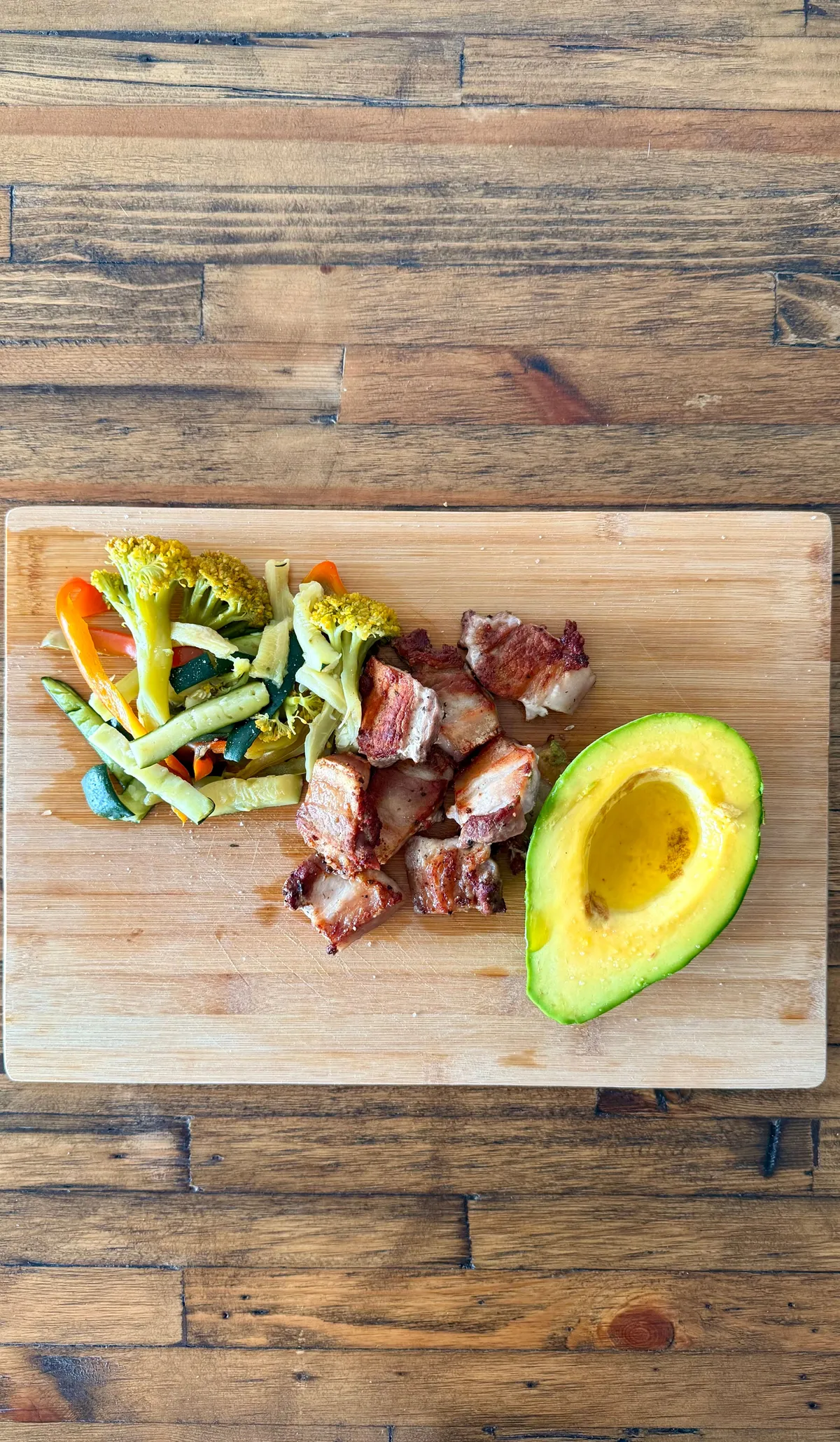
The idea of precision nutrition for insulin resistance is changing how we think about metabolic health. For years, nutrition advice followed a one-size-fits-all approach: eat less sugar, cut carbs, and count calories. But new research suggests that two people can eat the exact same foods and experience very different blood sugar responses. Genetics, gut microbiome composition, liver function, muscle insulin sensitivity, stress levels, sleep quality, and lifestyle factors all influence how the body responds to food. Understanding these differences may be one of the missing links in improving blood sugar balance and creating sustainable metabolic change.
Traditional diet culture often pushes rigid rules and generalized advice. Yet many people with insulin resistance feel frustrated because they are doing everything “right” and still struggling with weight, energy, or blood sugar control. Precision nutrition aims to solve this problem by recognizing that metabolic health is highly individual.
What Is Precision Nutrition for Insulin Resistance?
Precision nutrition for insulin resistance uses individual biological information to guide dietary recommendations. Instead of assuming everyone responds the same way to food, this approach considers factors such as:
- Genetics
- Gut microbiome composition
- Blood glucose responses
- Lifestyle habits
- Stress levels
- Sleep patterns
- Liver and muscle insulin sensitivity
Research continues to show that identical meals can produce dramatically different blood sugar responses between individuals. A food that supports stable glucose in one person may cause a larger spike in another.
This means nutrition becomes less about following trends and more about understanding your body’s unique metabolic responses.
According to the National Institutes of Health, personalized approaches to metabolic care may improve outcomes compared to generalized interventions.
Why Precision Nutrition for Insulin Resistance Matters
Insulin resistance occurs when cells become less responsive to insulin, making it harder for glucose to enter cells and be used for energy.
Over time, this can contribute to:
- Higher blood sugar levels
- Increased insulin production
- Chronic inflammation
- Weight gain
- Fatty liver
- Type 2 diabetes risk
Many people assume insulin resistance is solely caused by eating too many carbohydrates. However, newer research suggests that insulin resistance develops from multiple factors interacting together.
Precision nutrition recognizes these individual differences and may explain why:
- One person thrives with higher healthy fats
- Another responds better to increased fiber intake
- Some people improve rapidly
- Others struggle despite following the same plan
Gut Microbiome and Precision Nutrition for Insulin Resistance
The gut microbiome may play one of the largest roles in precision nutrition for insulin resistance.
Your gut contains trillions of microorganisms that help regulate:
- Glucose metabolism
- Hormone signaling
- Inflammation
- Energy balance
- Insulin sensitivity
Scientists are increasingly finding that certain bacterial patterns are associated with better metabolic outcomes.
Beneficial microbes help produce compounds called short-chain fatty acids (SCFAs) through the fermentation of dietary fiber.
SCFAs may:
- Improve insulin sensitivity
- Reduce inflammation
- Support gut barrier integrity
- Improve glucose regulation
Research from the Harvard T.H. Chan School of Public Health continues to highlight the relationship between gut health and metabolic function.
How Personalized Nutrition Can Improve Blood Sugar Control
While precision nutrition continues evolving, several strategies appear beneficial across many individuals with insulin resistance.
Prioritize fiber-rich foods
Fiber slows digestion and helps stabilize blood sugar responses.
Examples include:
- Beans
- Lentils
- Chia seeds
- Berries
- Oats
- Vegetables
Focus on minimally processed foods
Highly processed foods may increase inflammation and worsen blood sugar regulation.
Pair carbohydrates with protein and healthy fats
Combining macronutrients can help reduce rapid glucose spikes after meals.
Pay attention to lifestyle factors
Nutrition is only one piece of metabolic health.
Additional factors include:
- Sleep quality
- Stress management
- Movement after meals
- Consistent meal timing
The American Diabetes Association also emphasizes that dietary patterns and lifestyle habits work together to improve blood sugar control.
Future Directions for Precision Nutrition and Metabolic Health
As technology advances, personalized metabolic care may become more accessible.
Future tools may include:
- Continuous glucose monitoring (CGM)
- Gut microbiome analysis
- Genetic testing
- Personalized dietary algorithms
- Artificial intelligence-driven nutrition recommendations
Researchers are moving away from asking:
“What is the best diet?”
And beginning to ask:
“What is the best diet for this individual?”
That shift may fundamentally change how insulin resistance is treated.
Final Thoughts
Precision nutrition represents an exciting step forward for metabolic health.
Rather than forcing every person into the same dietary framework, this approach acknowledges that individual biology matters. Blood sugar control is influenced by more than calories and carbohydrates alone. Gut health, hormones, lifestyle behaviors, and genetics all interact to shape metabolic outcomes.
Improving insulin resistance may not require following the perfect diet.
It may require understanding how your body uniquely responds to food.
Because the future of nutrition isn’t simply personalized.
It’s biological.
Metabolic Coaching Program/services
Feel Great System/feel-great-system
National Institutes of Health
https://www.nih.gov/
American Diabetes Association
https://diabetes.org/
Harvard T.H. Chan School of Public Health
https://www.hsph.harvard.edu/
Cleveland Clinic
https://my.clevelandclinic.org/
