May 28, 2025
Why Your “Healthy” Breakfast Spikes Blood Sugar | Part 2
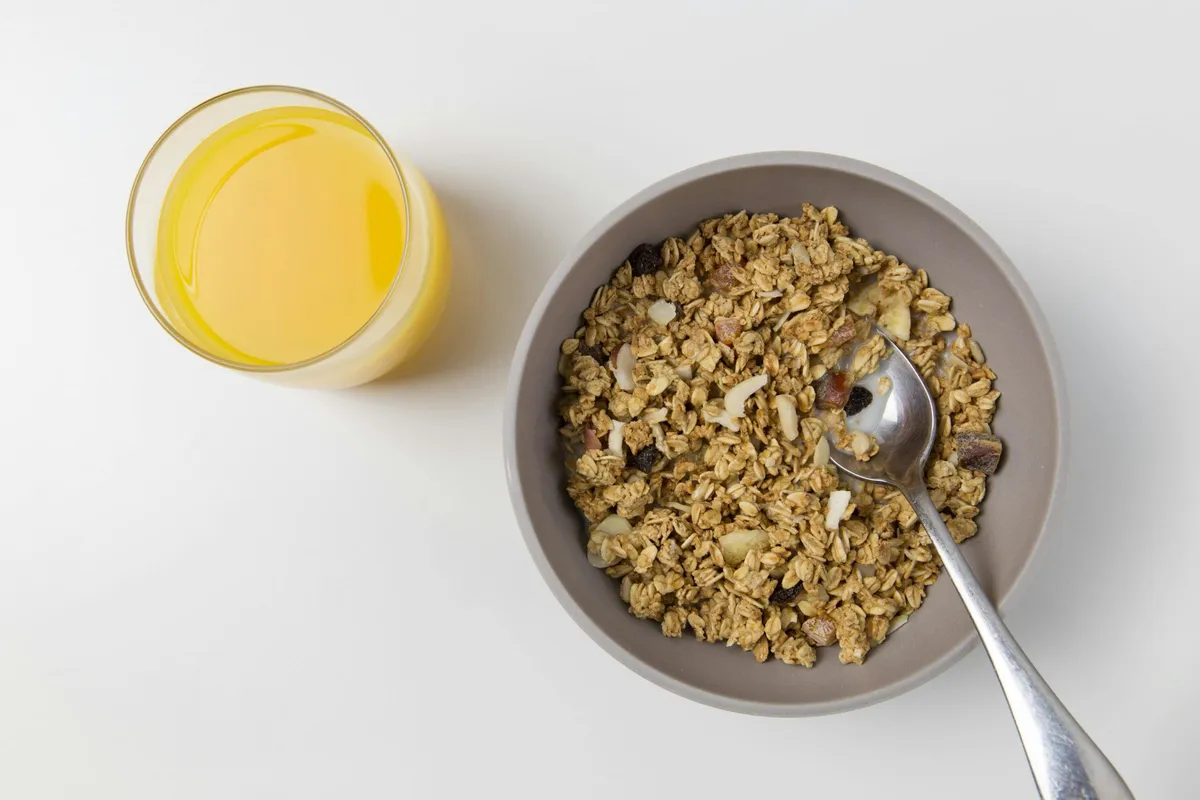
If you’ve ever eaten oatmeal and banana for breakfast only to crash by 10 AM, you’re not alone. The problem isn’t that you chose “unhealthy” foods. Instead, it’s that you don’t understand the difference between blood sugar rating and blood sugar impact.
Here’s a real example that will change how you think about energy forever.
What Are Blood Sugar Rating and Impact?
Blood sugar rating measures how fast a food spikes your blood sugar on a scale of 0-100. However, it doesn’t tell you the whole story.
Blood sugar impact looks at both the speed AND the amount of sugar you’re actually eating. Therefore, it gives you the complete picture of how food affects your body.
This difference matters if your body can’t handle sugar well. Moreover, it helps if you have PCOS or get tired after eating.
The “Healthy” Breakfast That Destroys Energy
Let’s look at a meal most people think supports their health goals. Plus, this breakfast appears in countless “healthy eating” articles.
The Problem Meal
What’s included:
- 1 packet instant oatmeal (plain)
- 1 medium banana, sliced
- 8 oz orange juice
- Optional honey drizzle
Most people choose this breakfast because it seems good for them. However, the blood sugar impact tells a different story.
Why People Think It’s Healthy
This meal seems smart because:
- Oatmeal = “heart healthy whole grains”
- Banana = “natural fruit with potassium”
- Orange juice = “vitamin C and natural”
- No junk food
Blood Sugar Rating vs Impact Breakdown
Now let’s see what really happens when you eat this meal.
Individual Food Analysis
Instant Oatmeal:
- Blood sugar rating: 79 (HIGH)
- Sugar per serving: 27g
- Blood sugar impact: 21 (HIGH)
Medium Banana:
- Blood sugar rating: 62 (MEDIUM-HIGH)
- Sugar per serving: 27g
- Blood sugar impact: 16 (MEDIUM-HIGH)
Orange Juice (8 oz):
- Blood sugar rating: 50 (MEDIUM)
- Sugar per serving: 26g
- Blood sugar impact: 13 (MEDIUM)
Total Meal Impact
- Combined blood sugar impact: 50+ (VERY HIGH)
- Total sugar: 80+ grams
- Protein: Less than 5 grams
- Fat: Less than 2 grams
What Happens to Your Energy
Here’s the timeline of how this meal affects your body.
First 30 Minutes
Your blood sugar rockets up fast. This happens because all three foods hit your blood quickly. Plus, there’s no protein or fat to slow things down. So your body dumps insulin to handle the sugar flood.
30-90 Minutes Later
Blood sugar peaks very high. Meanwhile, you might feel energized from the sugar rush. But your insulin is working overtime to bring levels down.
The Crash (90-180 Minutes)
Blood sugar drops hard. As a result, you feel tired, cranky, and hungry again. Therefore, your body wants more sugar to feel better.
Why Blood Sugar Impact Matters More
Here’s where understanding blood sugar impact becomes key for steady energy.
The Orange Juice Problem
Blood sugar rating of 50 seems okay. But you’re drinking 3-4 oranges worth of sugar with no fiber. Plus, the blood sugar impact of 13 per 8oz adds up fast when mixed with other sugary foods.
The Banana Issue
A banana’s blood sugar rating of 62 seems fine. Yet when eaten with other high-sugar foods, the blood sugar impact of 16 becomes a problem. In contrast, eating that same banana with almond butter would create a totally different response.
The Real Problem
This meal spikes blood sugar because:
- All sugar, no balance: No protein or fat to help
- Processed oats: Instant oats hit blood sugar harder than steel-cut
- Liquid sugar: Juice enters your blood fastest
- High blood sugar impact: Combined effect hits your system too hard
The Energy-Friendly Makeover
Here’s how to keep the same flavors while supporting steady energy.
Smart Ingredient Swaps
Steel-Cut Oats Bowl:
- 1/2 cup steel-cut oats (rating: 42, impact: 9)
- 2 tbsp almond butter (protein + fat)
- 1/2 banana, sliced (impact: 8)
- 1 tbsp chia seeds (fiber + protein)
- Cinnamon (natural blood sugar support)
- Unsweetened almond milk
Instead of Orange Juice:
- Sparkling water with fresh orange slices
- Or eat 1/2 actual orange (fiber intact)
New Meal Benefits
- Total blood sugar impact: 17 (MODERATE)
- Protein: 12+ grams
- Healthy fats: 16+ grams
- Fiber: 10+ grams
The Energy Difference
Original High-Impact Meal
Blood sugar spikes to 180+ mg/dL. Then it crashes to 70 mg/dL within 2 hours.
Improved Low-Impact Meal
Blood sugar rises gently to 120 mg/dL. Plus, it stays steady for hours.
This was ME:
I was eating oatmeal and banana every morning thinking I was being healthy. By 10 AM, I was crashing and Hunger coming full force. When I switched to steel-cut oats with almond butter and some eggs, I had steady energy until lunch. Same flavors, but my body felt completely different.
Understanding Blood Sugar Impact for Better Health
Key Points
- Blood sugar rating measures speed of blood sugar rise
- Blood sugar impact measures total effect of your serving size
- Food combos matter more than single foods
- “Healthy” foods can spike blood sugar when eaten wrong
- Protein + fat + fiber = steady energy
The Energy Formula
Protein + Healthy Fat + Fiber + Smart Carbs = All-Day Energy
This formula works whether your body struggles with sugar, you have PCOS, or you simply want steady energy all day.
Your Energy Action Plan
Check Your Current Breakfast
Ask yourself:
- Is your breakfast mostly sugar?
- Are you drinking your calories?
- How do you feel 2 hours after eating?
- What’s the blood sugar impact of your morning meal?
Start Making Changes
Try swapping high-impact foods for lower ones. Also, always pair carbs with protein and healthy fats.
Get Personalized Help
Understanding blood sugar rating vs impact is just the start. If you want personal help creating meals that support steady blood sugar and lasting energy, check out my coaching services. There, we dive deep into eating strategies that actually work.
Want to start right now? Download my free 7-Day Reset Plan. You’ll learn exactly which foods support your energy goals.